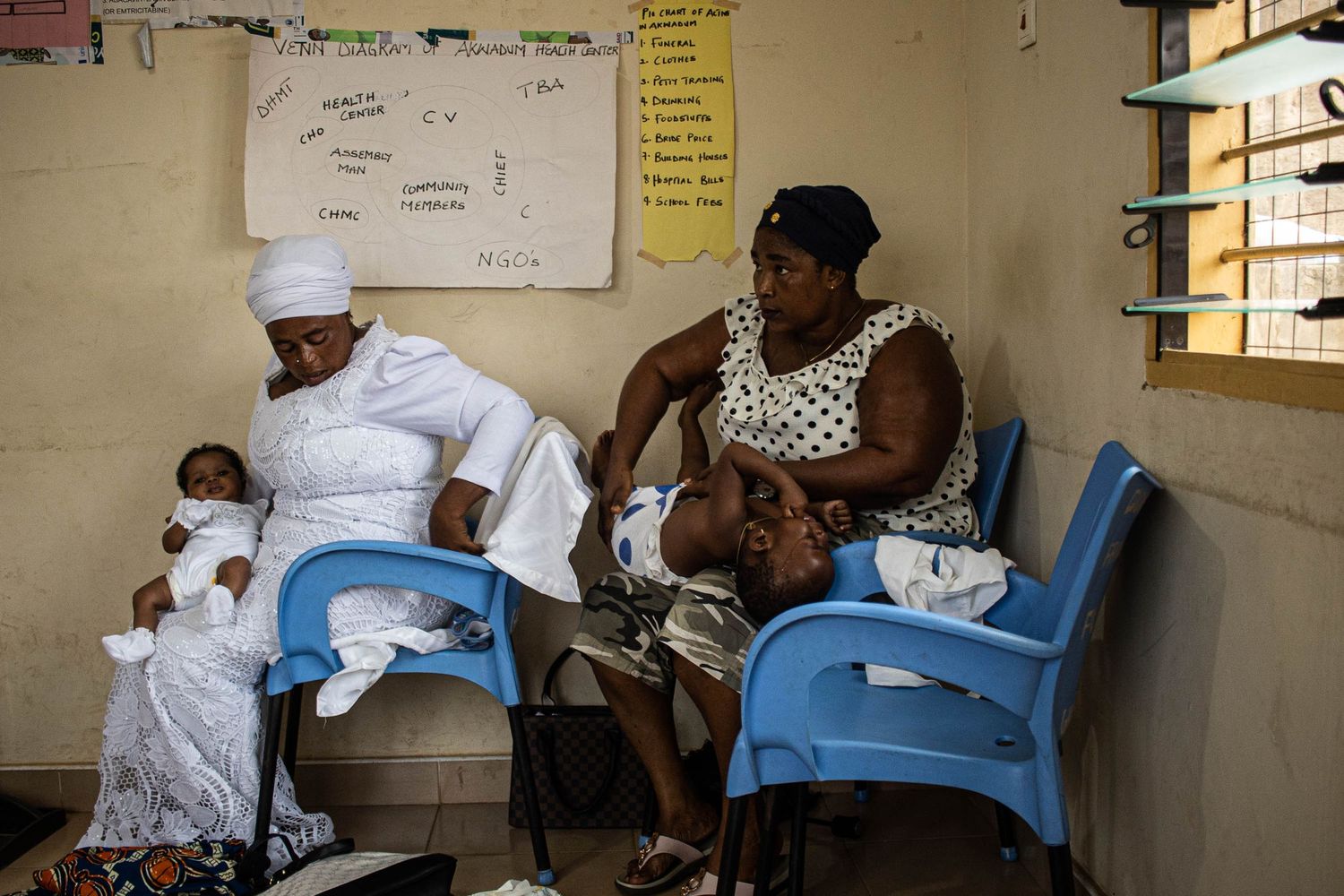
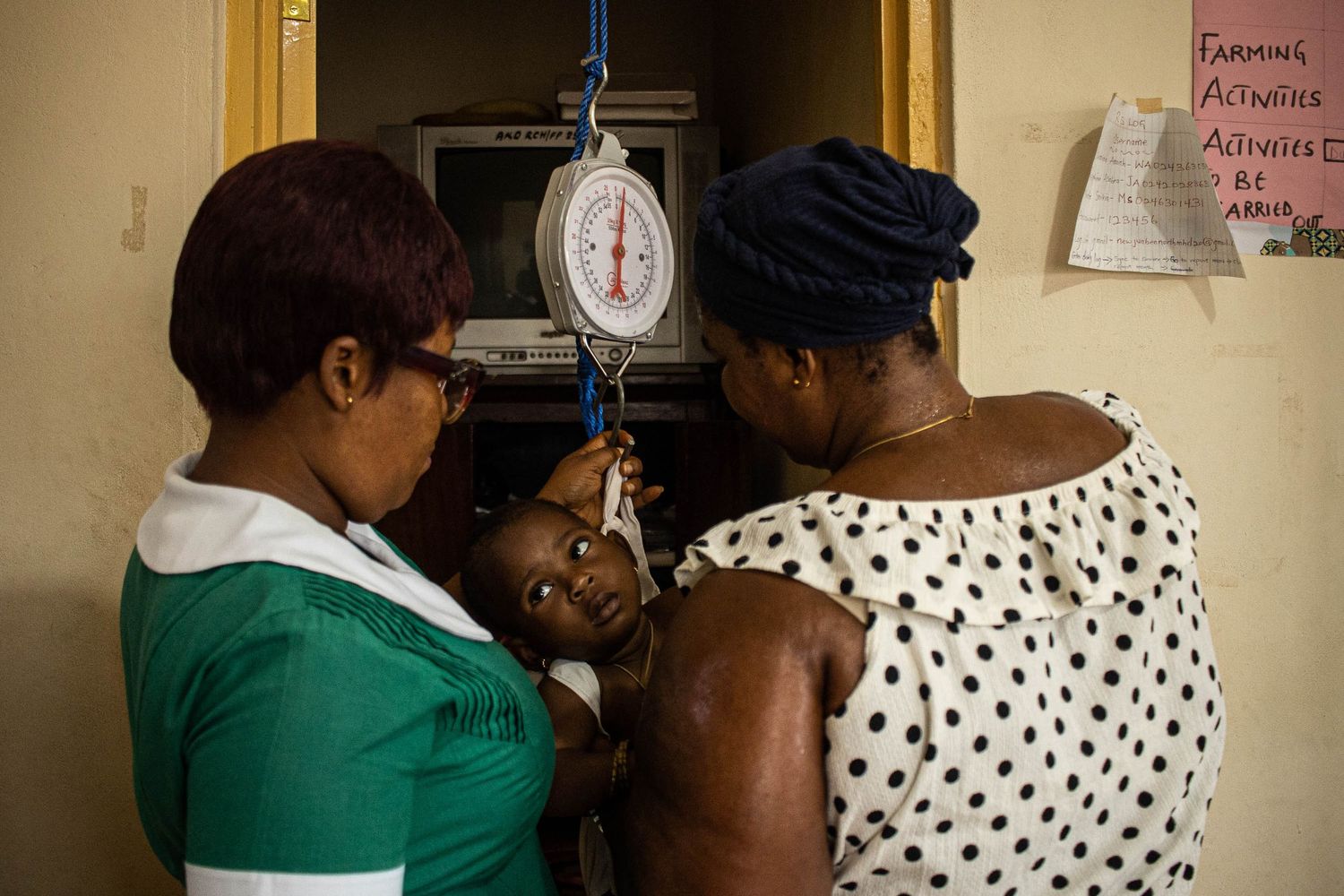
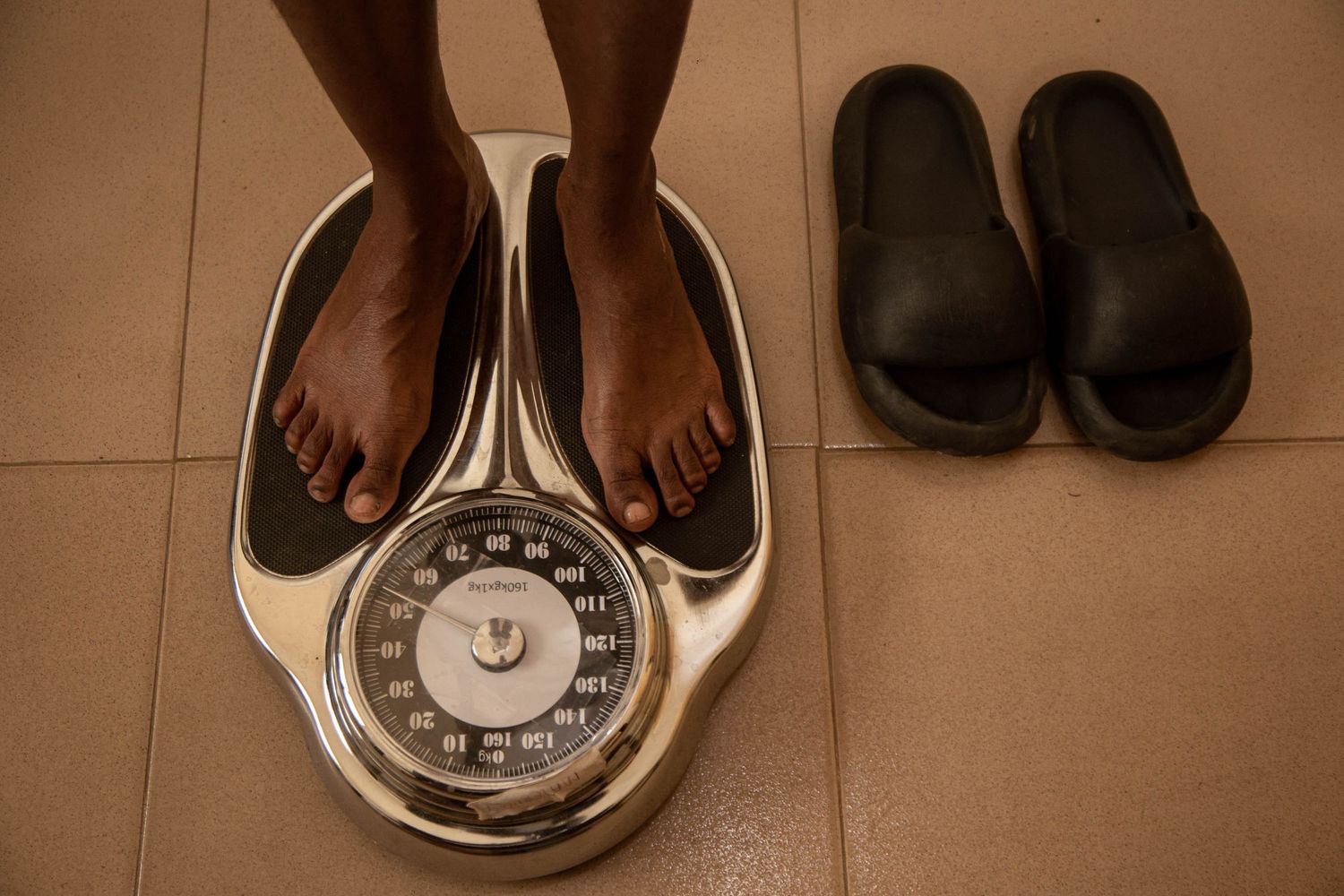
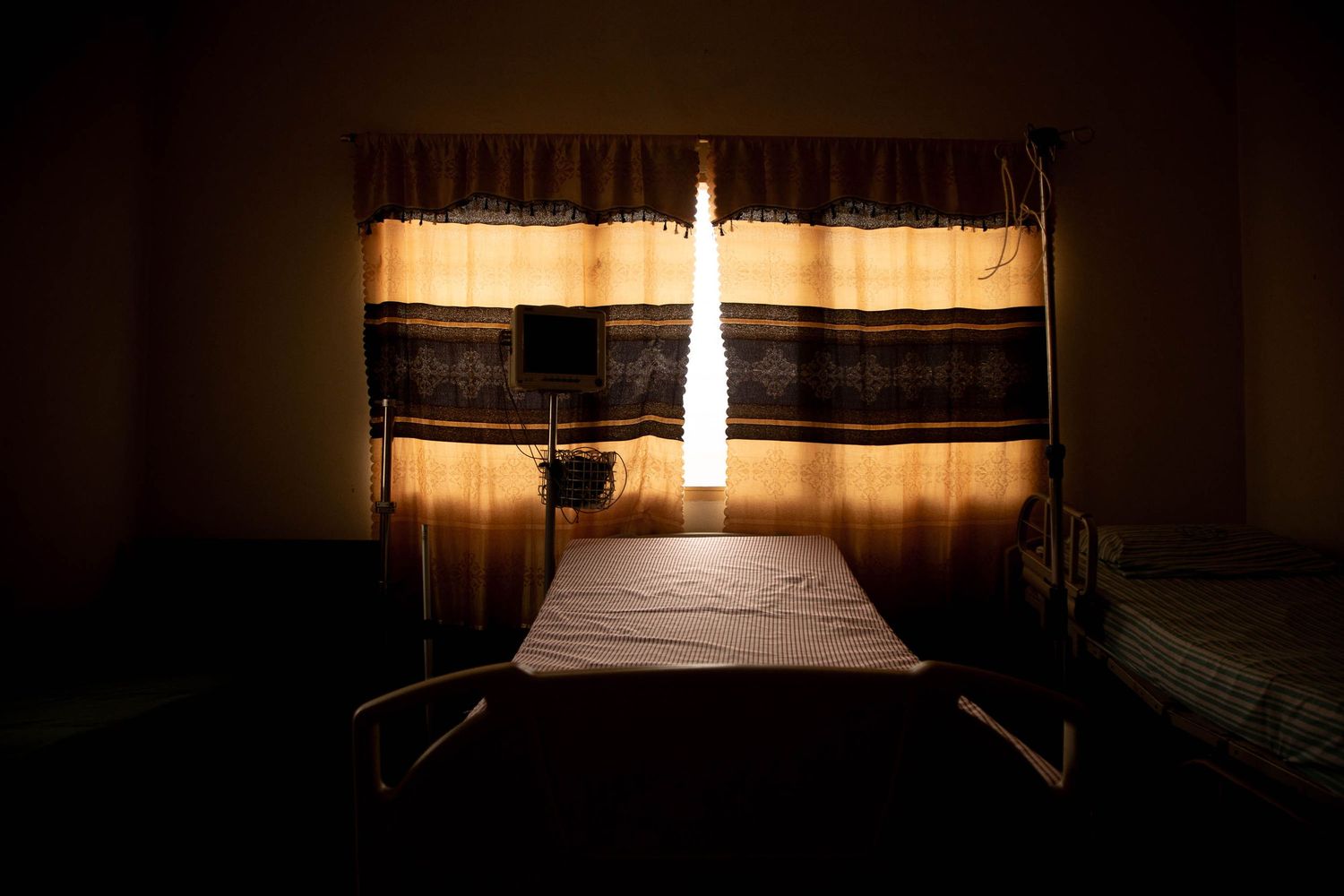
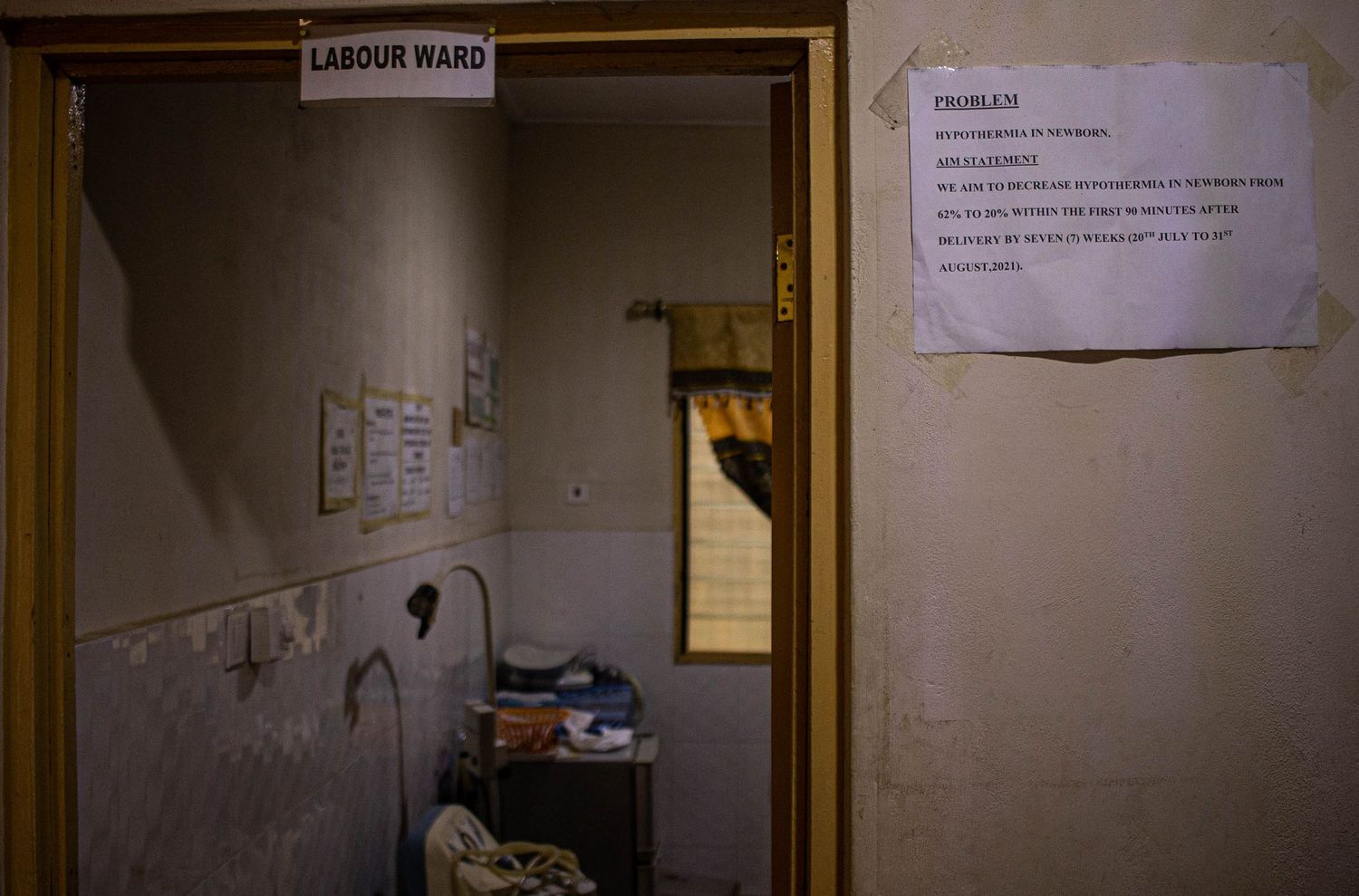
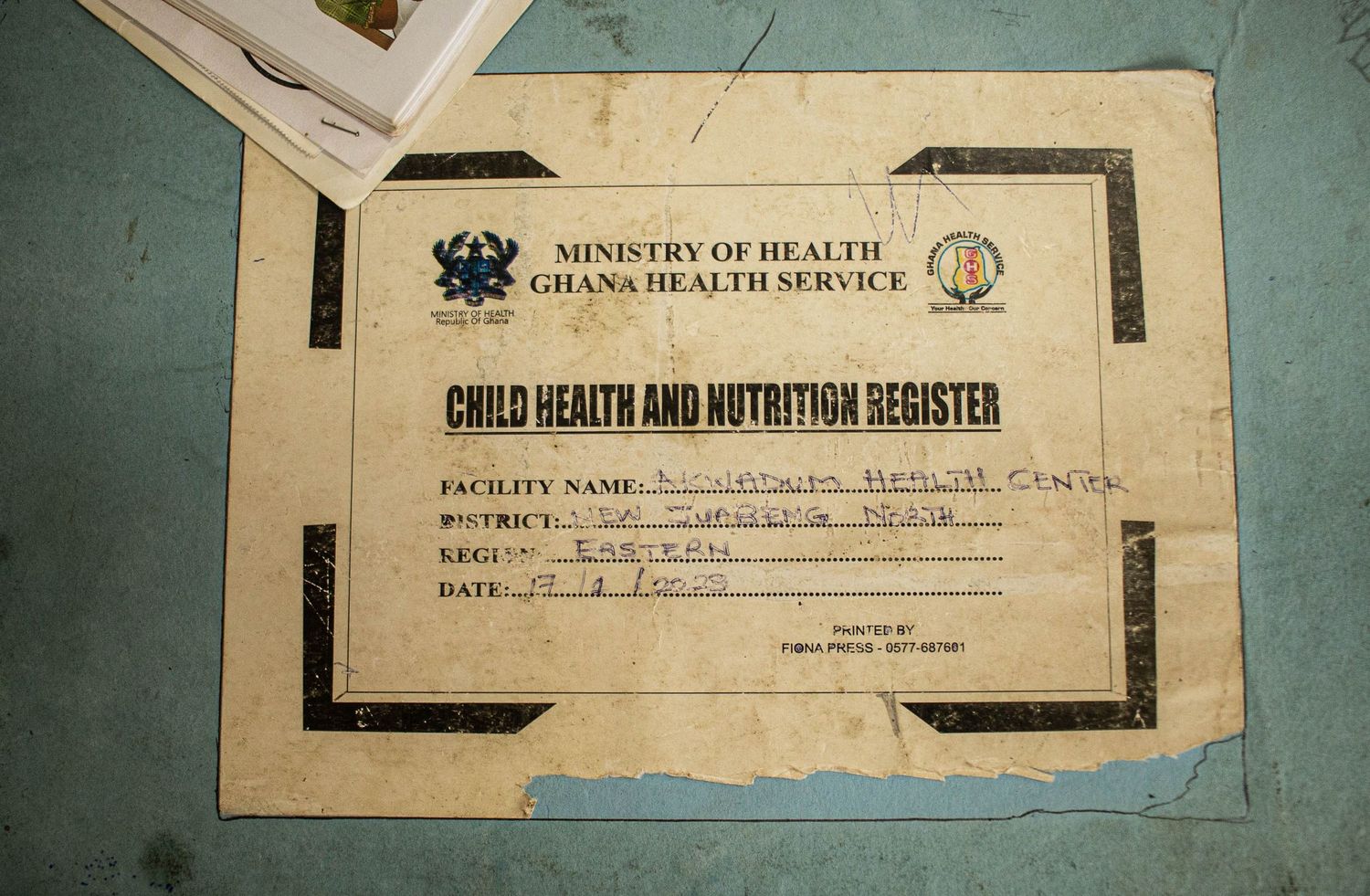
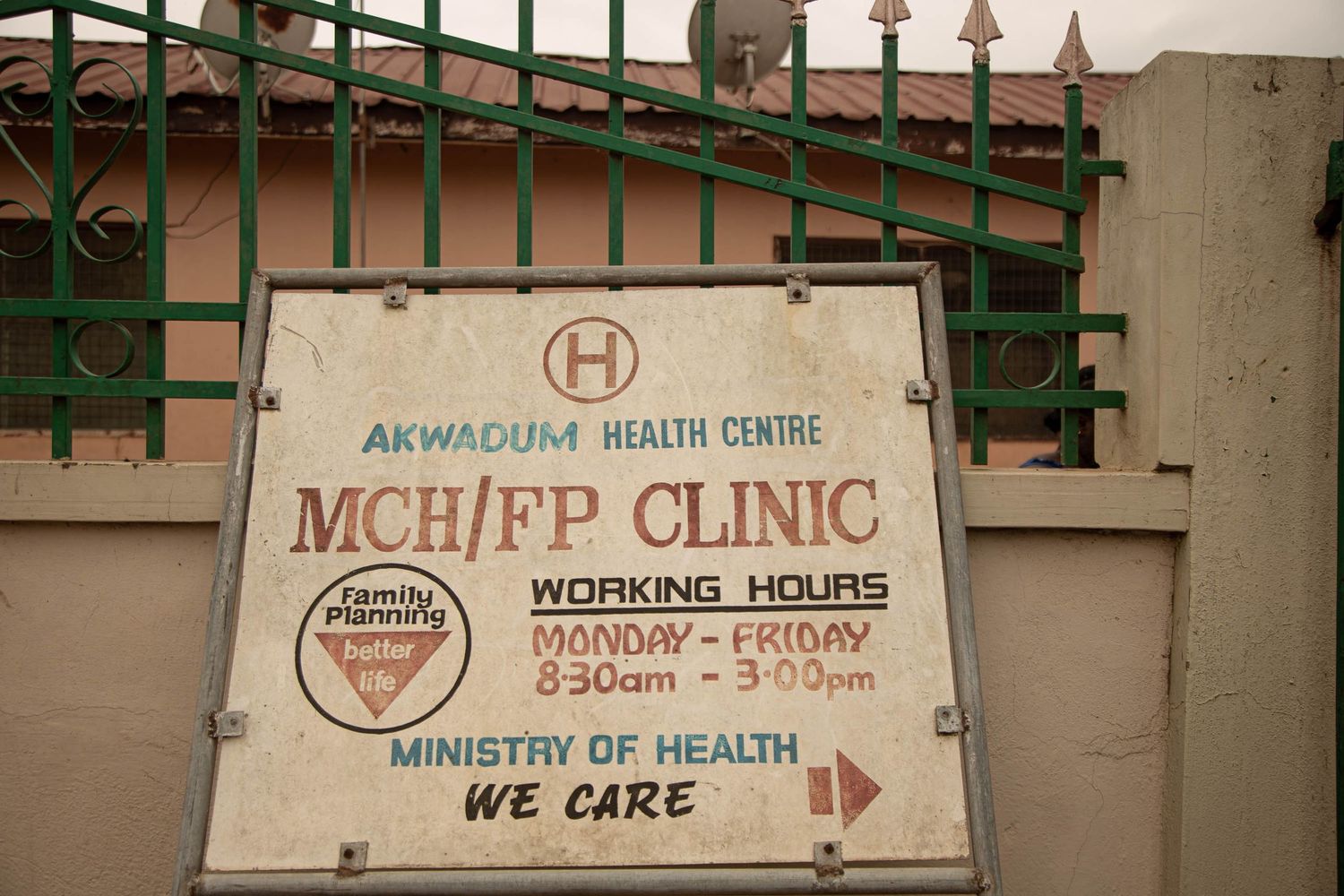
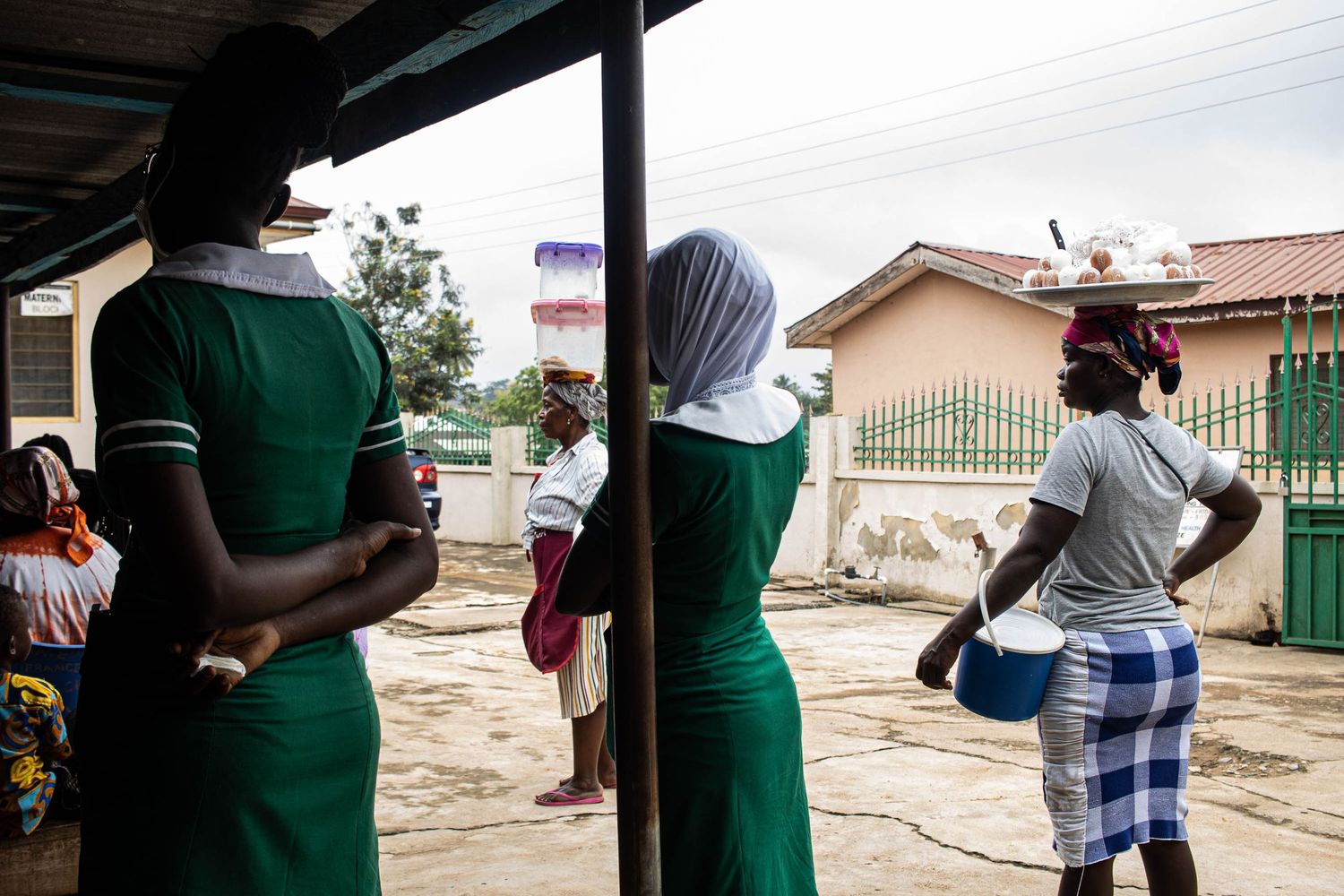
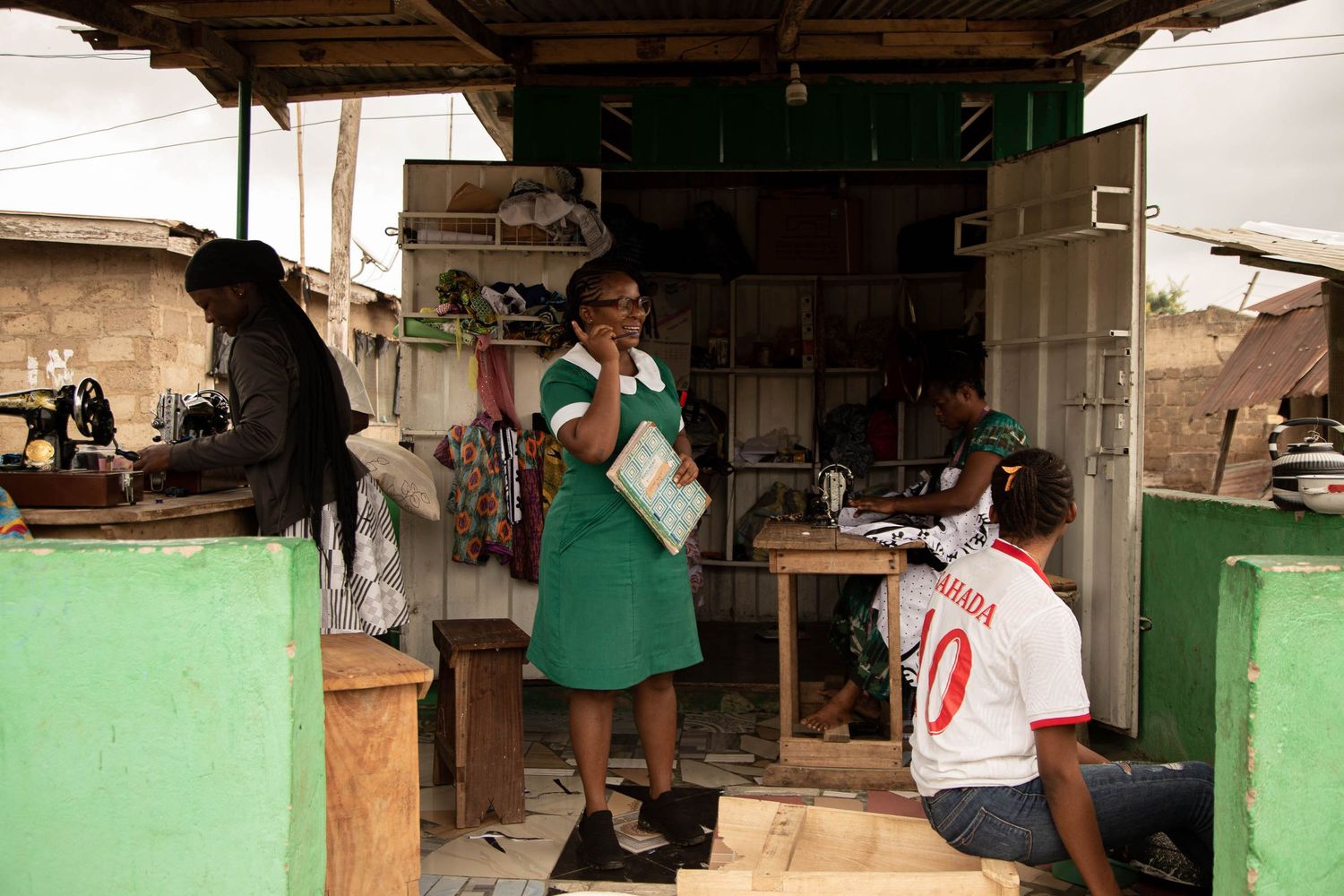
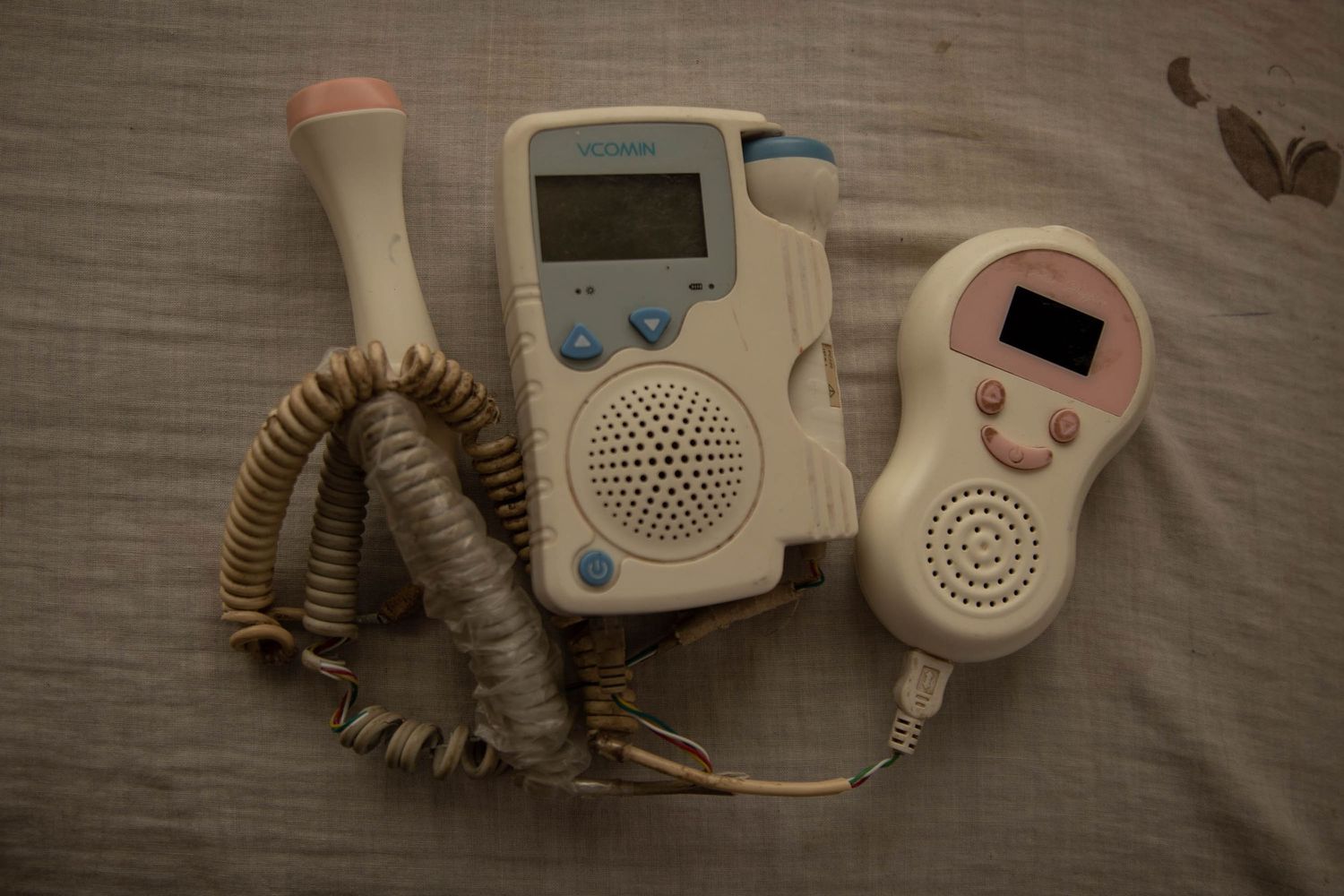
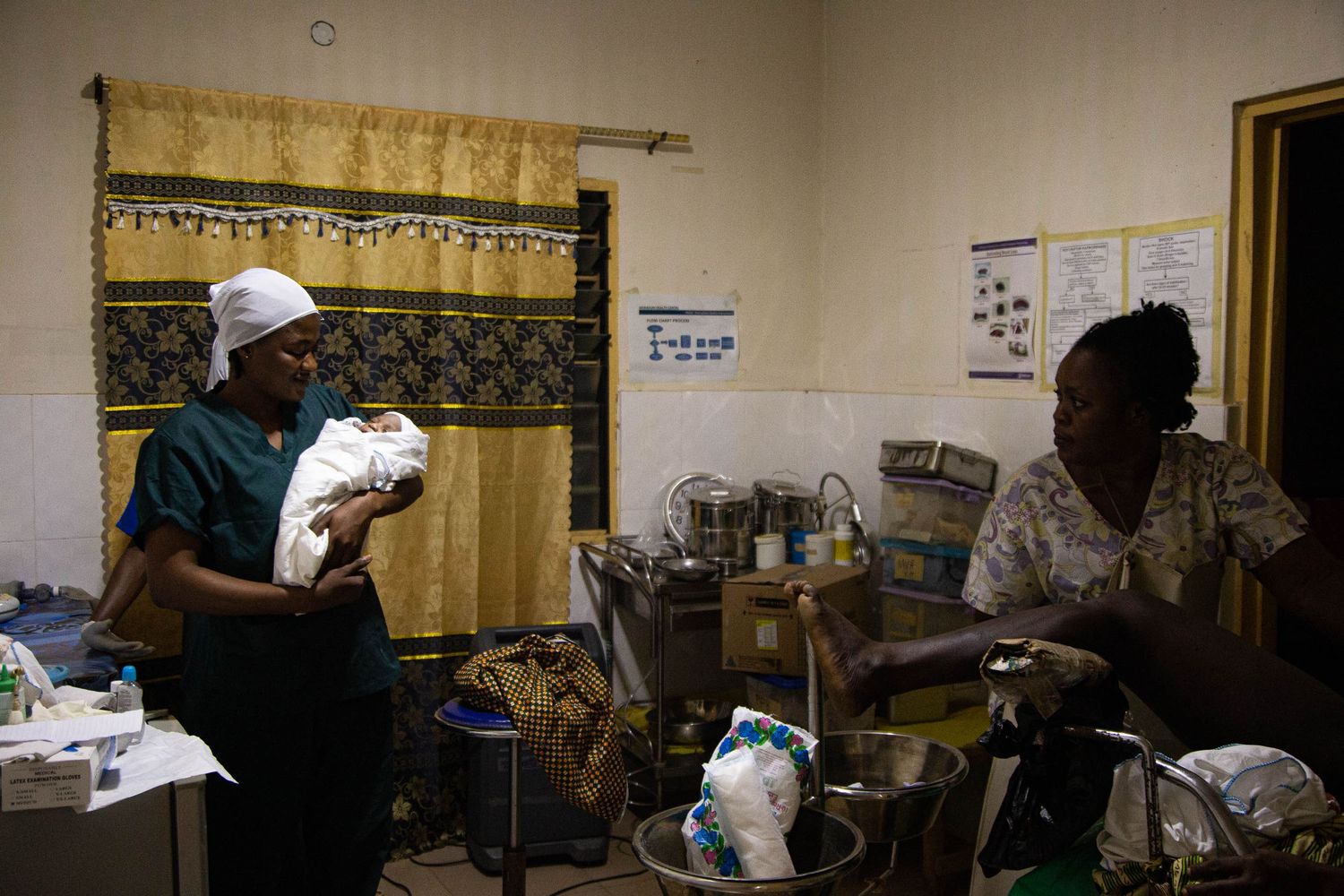
During my residency with Ahutan Collective—founded by three Nigerians, including myself, and one Ghanaian—sponsored by the Honorary Italian Consul to Ghana, I focused on exploring healthcare practices in Akwadum, specifically through the experiences of women at the Akwadum Health Center.
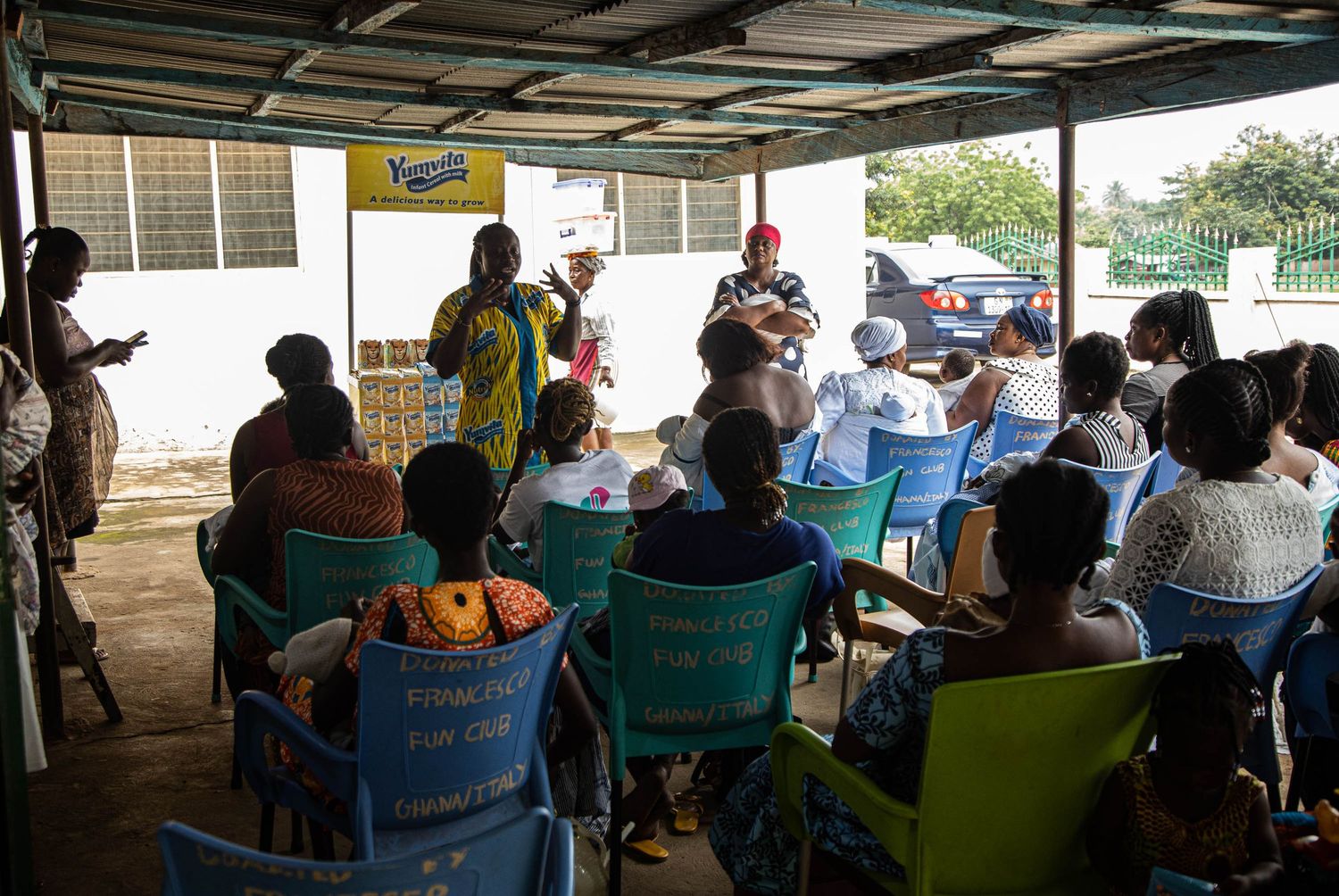
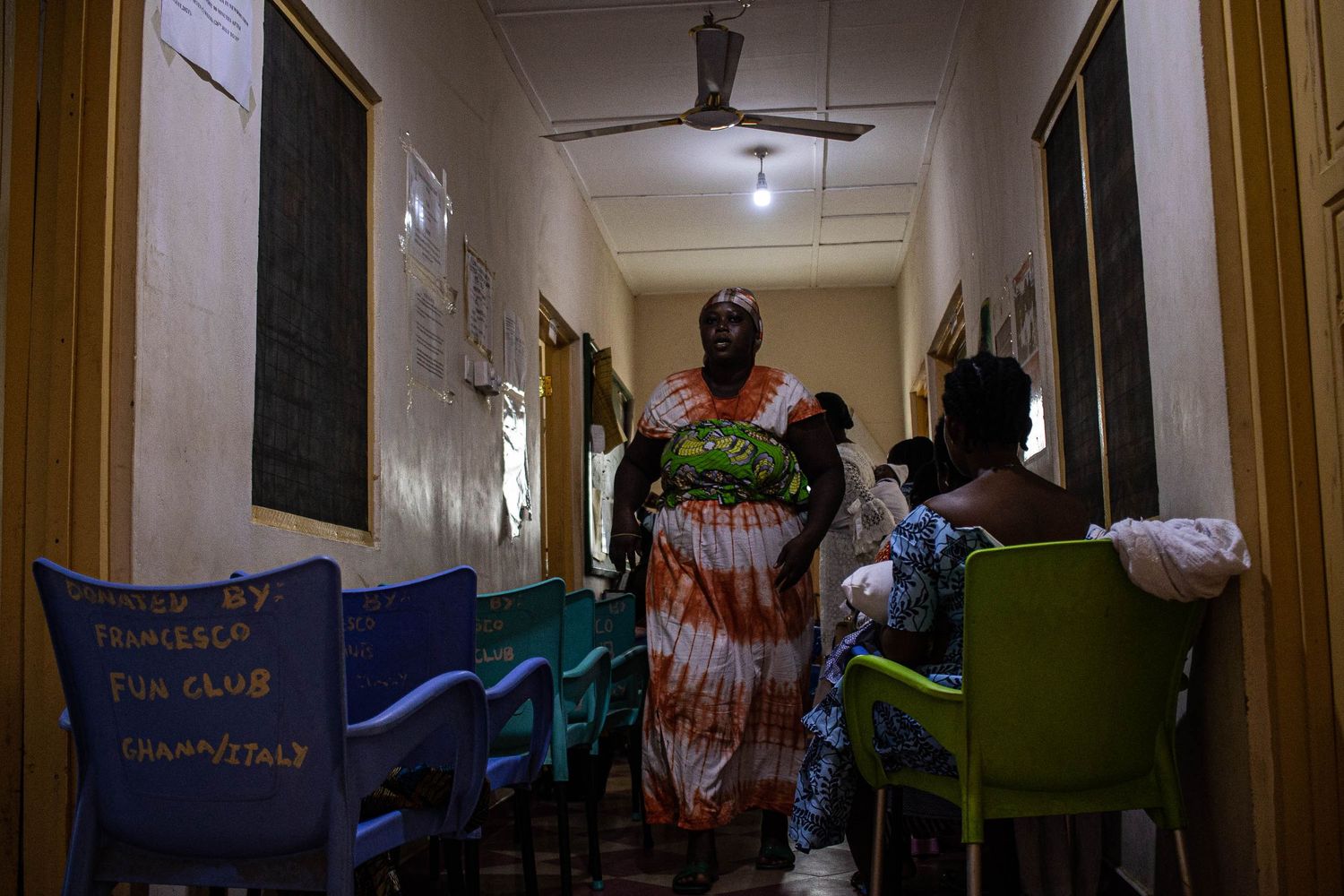
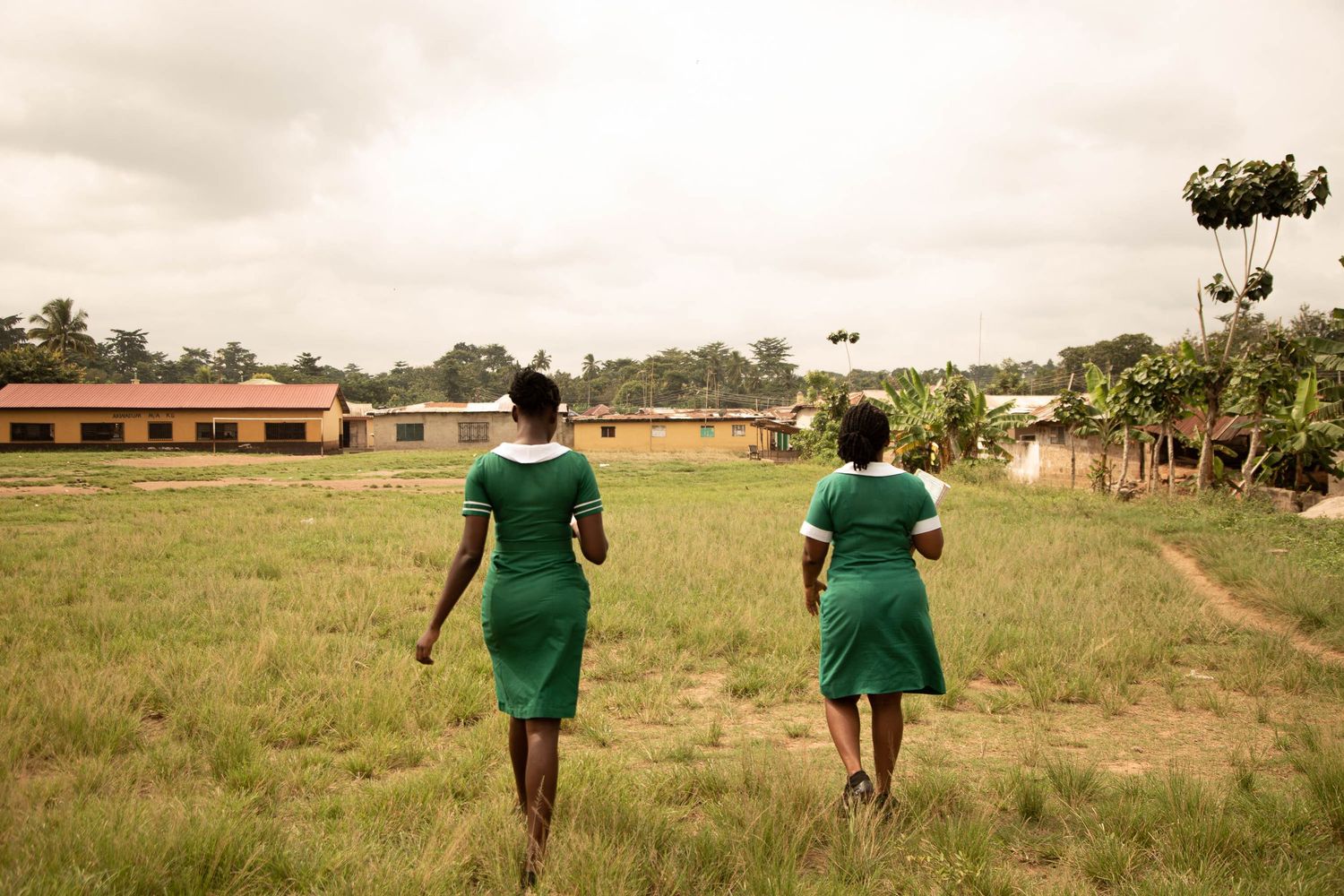
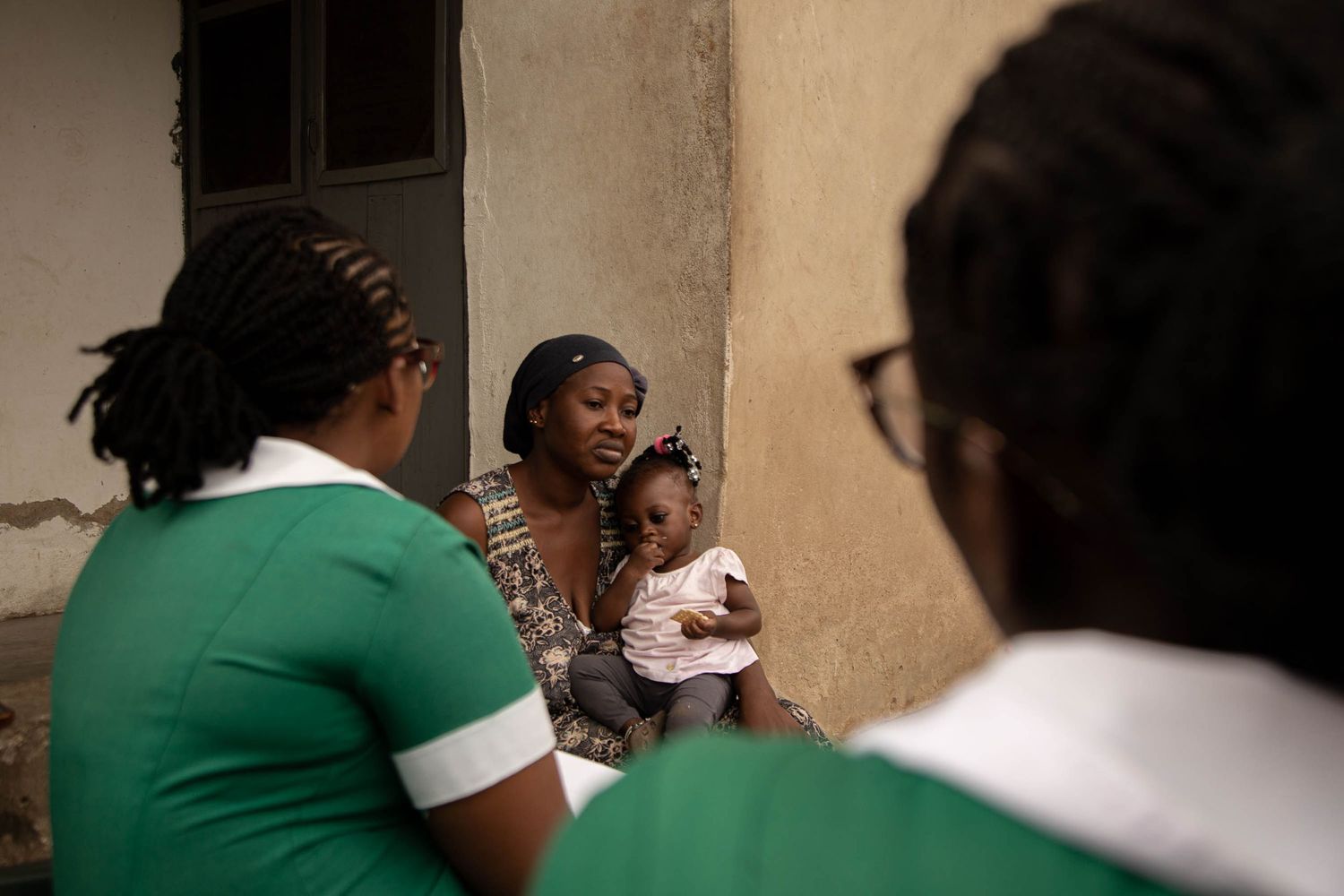
Throughout the residency, I observed and engaged with women in the healthcare system, both as practitioners providing essential medical services and as patients navigating access to care. By documenting their stories, I highlighted their resilience, dedication, and the challenges they face within the community’s small healthcare structure.
This project underscored the significance of community-based medical care and its impact on women’s lives. I captured the crucial role of healthcare workers while advocating for greater attention to women’s health in the region. My work not only documented existing healthcare practices but also contributed to the broader discourse on improving healthcare accessibility for women in rural communities. The work created during the residency contributes to a larger conversation on the need for stronger healthcare support in rural communities, ensuring that the lived realities of these women are acknowledged and not overlooked.
This documentation was important for my practice because it aligned with my ongoing commitment to storytelling that highlights overlooked narratives, particularly those centered on women, community structures, and social systems. By focusing on healthcare in Akwadum, I was able to refine my approach to visual storytelling, utilizing photography and film not only as artistic tools but also as means of advocacy. Capturing the resilience of women within the healthcare system reinforced my interest in documenting the intersections of labor, gender, and access to essential services, expanding my body of work to include more nuanced explorations of health and community care.